'Transforming Cancer Research and Care – Changing Lives'
14th and 15th April 2026
Trinity Biomedical Sciences Institute
Trinity St James's Cancer Institute
general information
WELCOME FROM THE ORGANISING COMMITTEE
WHO SHOULD ATTEND THE CONFERENCE
Health professionals, cancer clinicians and clinical scientists, scientists working in cancer, representatives of pharmaceutical companies involved in oncology, policy makers, post-doctoral researchers within medicine and science will benefit from participation in the conference.
By Plane
There is one major international airport in Dublin, situated approximately 10km north of the city centre. Dublin is easily accessible from the UK, Continental Europe and the east and west coast of the USA.
Access from Dublin Airport to Dublin City
There are a number of private and public bus services that operate from outside the airport arrivals terminal: Aircoach, a privately run bus service, operates between the airport and a number of city hotels and locations. www.aircoach.ie
Airlink (bus 747), operated by Dublin Bus, will bring you directly from the airport to Busaras, the central bus station, located in the city. www.dublinbus.ie
There are also a number of other public bus services operating between the airport and various destinations
By Ferry
It is also possible to get to Dublin by ferry via Hollyhead, Liverpool and Isle of Man ports in Britain. Dublin has two ferry terminals – Dublin Port, located in the city centre, is serviced by bus and Dun Laoghaire ferry terminal, south of the city, is easily reached by a 20 minute car or DART train journey.
“Transforming Cancer Research and Care – Changing Lives”
Trinity Biomedical Sciences Building
DAY 1 - 14TH APRIL 2026
08.30-09.00
REGISTRATION plus Tea/Coffee
09.00-09.20
WELCOME ADDRESS AND OFFICIAL OPENING
SESSION 1:
Cancer Screening and Prevention
Chairs:
09.20
Evolving Landscape of Inherited Susceptibility to Breast Cancer
Dr Payal Shah - University of Pennsylvania
09.45
Revolutionising Cancer Screening
Sir/Prof Peter Saseini – Wolfson Queen Mary in London
10.10
Lung Cancer Screening in Ireland: Early Insights from the Lung Health Check
Dr. Jarushka Naidoo – RCSI
10.35
Proffered paper 1
10.45
Proffered paper 2
10.55-11.25
Coffee Break and Poster Viewing
SESSION 2:
Molecular Oncology
Chairs:
11.25
Integrating genomics in the diagnosis and monitoring of haemotological malignancies
Prof David Gonzales De Castro - QUB
11.50
Use of liquid biopsies as a tool in precision oncology
Dr Dominic Rothwell – Manchester Cancer Research Centre
12.15
Liquid biopsy approaches for detection and characterisation of circulation tumor DNA residual disease
Prof Valsamo Anagnostou - Johns Hopkins
12.40
Proffered paper 1
12.50
Proffered paper 2
13.00-14.00
Lunch and Poster Viewing
SESSION 3:
Precision Oncology
Chairs:
14.00
NSCLC: an example for precision oncology
Prof Lizza Hendriks - Maastricht University Medical Centre
14.25
Precision Oncology & Digital Health
Prof Manuel Salto-Tellez - The Institute for Cancer Research, London/Queens University Belfast
14.50
Advancing Precision Cancer Medicine through National Initiatives and European Collaboration
Prof Kjetil Tasken - University of Oslo
15.40
Proffered paper 3
15.50
Proffered paper 4
16.00-16.20
Coffee Break and Poster Viewing
16.30
Introduction to Burkitt awardee
16.40 - 17.40
Keynote Burkitt Lecture Targeting Environmental and Ageing-Induced Myeloid Mayhem: Preventing Lung Cancer and Age-Related Pathologies? Prof. Charles Swanton - The Francis Crick Institute, UK
19.00
Conference dinner/presentation of 2026 Burkitt Medal: Public Theatre/Exam Hall, Trinity College Dublin Front Square [additional to registration fee]
DAY 2 - 15TH APRIL 2026
SESSION 4:
Young Onset and AYA cancers
Chairs:
08.55
Welcome:
09.00
(tbc)
09.20
Case study and panel discussion
Prof Maeve Lowery, Prof Michael Kelly, Dr Emily Harrold, Ms Jessie Elliott
SESSION 5:
Living with and Beyond Cancer
Chairs:
10.00
Dr. Alexander Lyon - Imperial College London
10.25
Anticipating the Needs of Adults Treated for Childhood Cancer: Lessons from the St. Jude Lifetime Cohort Study
Dr. Melissa M. Hudson - St. Jude Children's Research Hospital, Memphis
10.50
Dr. Kjeld Schmiegelow - Copenhagen University Hospital, Denmark
11.15
Proffered paper 5
11.25
Proffered paper 6
11.35-11.55
Coffee break and Poster viewing
SESSION 6:
Cancer Immunology and Immunotherapy
Chairs:
11.55
The Diversity of Niches Unlocking Treatment Sensitivity (DONUTS)
Dr. Janis Taube - Johns Hopkins
12.20
Off-The-Shelf Targeted NK cells and Trispecific Killer Engagers (TriKEs) To Treat Cancer
Prof. Jeff Miller - University of Minnesota
12.45
(tbc)
13.10
Proffered paper 7
13.20
Proffered paper 8
13.30-14.30
Lunch and Poster Viewing/Judging
SESSION 7:
How to put Research and Education at the heart of a successful CCC
Chairs:
14.25
Prof Johan Van Lint - KU Leuven, Belgium
14.50
Oncology education and training for better patient outcomes
Prof Mairead McNamara - University of Manchester/The Christie NHS Foundation Trust
15.15
How to put research at the heart of a successful CCC
Prof. Marcel van Vugt - Cancer Research Centre Groningen, Netherlands
15.40
Prof Manon van Engeland - Maastricht UMC+, Netherlands
Peter Sasieni CBE FMedSci is Professor of Cancer Epidemiology at Queen Mary University of London (QMUL) and Director of the Cancer Research UK Cancer Prevention Trials Unit at QMUL.
After graduating in mathematics from the University of Cambridge, he obtained a doctorate in biostatistics from the University of Washington. Returning to the UK, he worked with Jack Cuzick at the Imperial Cancer Research Fund and later at QMUL before moving to King’s College London where he was Director of King’s Clinical Trials Unit.
Professor Sasieni’s research applies epidemiological methods to cancer screening. He designs and runs clinical trials of early detection and prevention interventions.
He has published extensively on cervical screening and HPV vaccination including on the YouScreen trial of self-sampling in cervical screening non-attenders. He is currently collaborating with Professor Rebecca Fitzgerald to evaluate her oesophageal capsule sponge technology; Professor David Weller to study the potential for risk-stratified colorectal screening; and Professor James Catto on the IMProVE trial of prostate cancer screening; and is one of the lead investigators on the NHS-Galleri Trial evaluating GRAIL’s multi-cancer early detection blood test in population screening.
In 2023 he received The Don Listwin Award for Outstanding Contribution to Cancer Early Detection. In 2024 he was awarded a CBE for services to cancer early detection and prevention.
Prof. Jarushka Naidoo is a Full Professor of Medical Oncology and a Consultant Medical Oncologist at Beaumont RCSI Cancer Centre in Dublin, Ireland and an Adjunct Professor of Oncology at Johns Hopkins University.
Dr. Naidoo graduated with her medical degree (MB BCh BAO) from Trinity College Dublin, and completed internal medicine and a medical oncology training through the Royal College of Physicians of Ireland. She completed an awarded advanced medical oncology fellowship at Memorial Sloan Kettering Cancer Center (New York), and joined the faculty at Johns Hopkins University from 2015-2020. At Johns Hopkins, she led a portfolio of clinical trials and translational studies focused on immunotherapy for lung cancer and immune-related toxicity. Dr. Naidoo led several investigator-initiated trials for patients with lung cancer, with a focus on stage III non-small lung cancer and CNS metastases. She is a globally recognised leader in the field of immune-related toxicity, with >100 publications in this field, and her development of the multidisciplinary Johns Hopkins Immune-related Toxicity Team. She is the recipient of several grants and awards including a US NIH KL2 Clinical Scholar Award, Lung Cancer Foundation of America/IASLC Young Investigator Award.
Since her return to Ireland, she serves as the Chair of the Lung Cancer Disease-specific subgroup (DSSG) of Cancer Trials Ireland, is the Founder and Chair of the Irish national lung cancer research group, the ‘Irish Lung Cancer Alliance,’ and a national immmunotherapy toxicity network through the RCPI. She is currently a part of the ETOP, EORTC, ECOG-ACRIN and NRG Cooperative clinical trial groups, and the clinical trials portfolio in lung cancer has tripled since her return. Prof Naidoo was named the Irish Cancer Society’s Clinician Research Leader Award 2021.
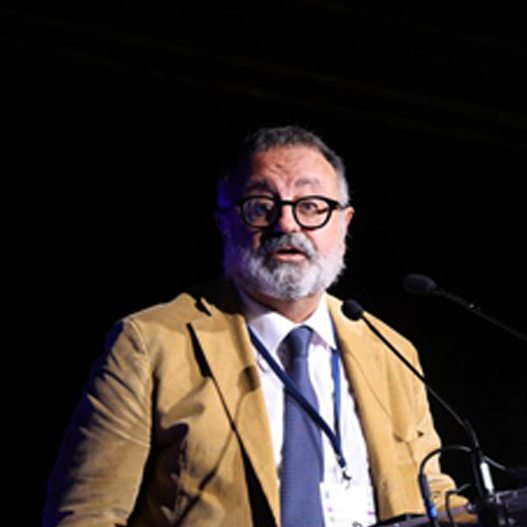
Prof Gonzalez de Castro is a key opinion leader in molecular pathology and clinical cancer genomics. He is currently Director of Genomics and Bioinformatics at the Precision Medicine Centre at Queen´s University Belfast, providing comprehensive genomic profiling to cancer patients with solid and haematological tumours. Previously, Prof Gonzalez de Castro was Head of Molecular Diagnostics at the Royal Marsden and the Institute of Cancer Research in London. His work is centred around developing and applying clinical genomic stratification tools for precision medicine and to better classify and monitor disease. In 2020 he founded Univ8 Genomics Ltd, a company providing bespoke genomic solutions for clinical haemato-oncology research.
After obtaining a BSc(Hon) in Applied Genetics from the University of Liverpool, Dr Rothwell studied for his DPhil with Professor Ian Hickson at the Weatherall Institute, University of Oxford investigating the functional role of DNA repair genes. After this he moved into translational research, initially looking for molecular markers in multiple myeloma then immunotherapy trials. In 2011, Dr Rothwell joined the Nucleic Acid Biomarker (NAB) team of Professor Caroline Dive at the CRUK Manchester Institute and began his current research interest in the molecular analysis of liquid biomarkers for use in precision oncology. This work focusses on utilising multiple analytes, including plasma proteins, circulating free DNA and circulating tumour cells to enable the molecular characterisation of tumours at the genetic, epigenetic and transcriptional level. He took over as Team Leader of NAB in November 2019 and became Deputy Director of the CR-UK National Biomarker Centre in November 2022 where he lead a wide range of biomarker-focussed projects ranging from early detection, diagnosis, MRD through to investigating mechanisms of resistance.
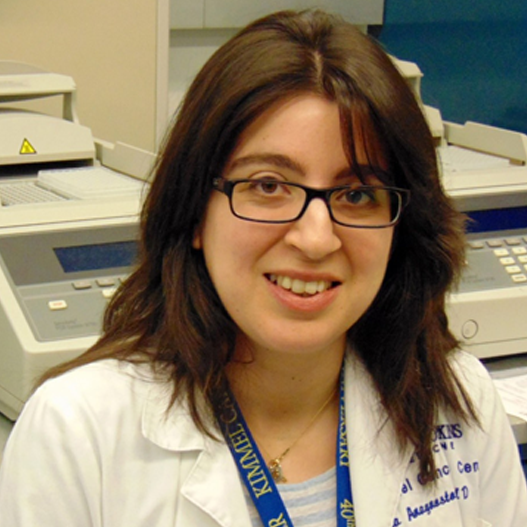
Dr. Anagnostou is the Alex Grass Professor of Oncology, co-director of the Upper Aerodigestive Malignancies and the Cancer Genetics and Epigenetics Programs, leader of Precision Oncology Analytics, co-leader of the Molecular Tumor Board, director of the Thoracic Oncology Biorepository ad co-leader of the Thoracic Oncology Precision Medicine Center of Excellence in the Sidney Kimmel Cancer Center at Johns Hopkins. She graduated from Medical School of the National and Kapodistrian University of Athens, Greece and received a PhD from the same institution. After completing her internal medicine residency at Yale-New Haven Hospital, she subsequently trained in Medical Oncology at Johns Hopkins. Dr. Anagnostou is a translational cancer investigator, focusing on large-scale genomic and liquid biopsy analyses in human cancers. Her group has discovered novel genomic mechanisms of response and resistance to immunotherapy and her research is particularly focused on understanding the molecular mechanisms of response and resistance to these therapies, capturing these by minimally invasive methods and translating this knowledge into novel technologies and innovative therapeutic approaches for cancer patients. She is the international study chair of the first ctDNA-based molecular response adaptive immuno-chemotherapy clinical trial for metastatic non-small cell lung cancer (NCT04093167). Her long term goal is to transform medical oncology to personalized molecular oncology, where treatment decisions are tailored to cancer genomics and molecular real-time response assessments informed by liquid biopsies.
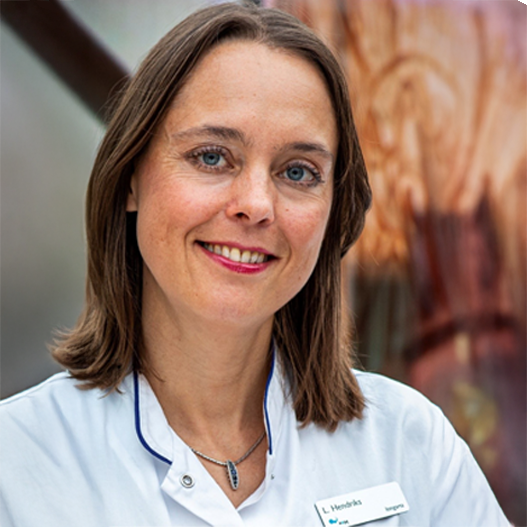
Dr Hendriks is a pulmonologist specialising in thoracic oncology at the Maastricht University Medical Center, the Netherlands, where she leads the clinical lung cancer research department. Her research line is focussing on brain metastases in patients with lung cancer (obtaining a PhD on this topic in 2016), neurocognition, oligometastases and locally advanced disease. In 2017-2018, she carried out postdoctoral research on brain metastases and immunotherapy in Gustave Roussy, France.
Dr Hendriks is the representative for thoracic oncology in the Maastricht UMC Comprehensive Cancer Cancer, and chairs the Innovative Cancer Diagnostics Therapy group at the Research Institute for Oncology and Developmental Biology (GROW) at Maastricht University, where she is also appointed as full professor. She is heavily involved in clinical and translational research, and is (local) principal investigator in several phase II and III clinical trials, focusing on (locally) advanced NSCLC and SCLC, targeted treatments and immunotherapies.
She is an active member of Dutch (NVALT, NRS), European (ESMO, EORTC, ETOP, ERS) and global societies (IASLC, ASCO), is chair of the NVALT studies foundation, vice-chair of the scientific committee of the Dutch Thoracic Group and secretary of the EORTC Lung Cancer Group.
Dr Hendriks was the lead author of the revised ESMO Clinical Practice Guidelines on metastatic NSCLC and author of several other ESMO Clinical Practice Guidelines as well as several Dutch guidelines. Dr Hendriks is an active program committee member or chair of multiple national and international conferences and masterclasses. In 2021, she was elected as member of the Young Academy of the Royal Netherlands Academy of Arts and Sciences.
Professor Manuel Salto-Tellez (MST) (MD-LMS, FRCPath, FRCPI) is the Chair of Molecular Pathology at Queen’s University Belfast (QUB), a clinical consultant pathologist and the Lead of QUB’s Precision Medicine Centre of Excellence. He is also the Professor on Integrative Pathology at the Institute for Cancer Research in London (ICR), and the lead of the Royal Marsden Hospital / ICR Integrated Pathology Unit. MST studied Medicine in Spain (Oviedo), Germany (Aachen) and The Netherlands (Leiden), in the context of grants from the European Union. He specialized in Histopathology in the UK (Edinburgh and London) and in Molecular Pathology in USA (Philadelphia). For more than 10 years he worked at the National University of Singapore and its National University Hospital, where he was associate professor, senior consultant, and Vice-dean for Research.
MST is author or co-author of more than 330 internationally peer-reviewed articles in translational science, molecular pathology and diagnostics, has published a similar number of abstracts in international conferences, and is editor or contributor to some of the key textbooks of pathology and oncology. MST serves and has served in key committees related to cancer research, at national and international levels, and has generated more than £100M in competitive grant funding, including major ongoing programmes with UKRI and NIHR. He is scientific advisor to 2 companies in the digital pathology and artificial intelligence space and has been part of most national (and many international) advisory boards organised by pharma and biotech in relation to the introduction of new molecular and tissue-based tests in the UK or globally, over the last 10 years.
Prof Swanton (MBPhD, FRCP, FMedSci, FAACR, FRS) completed his MBPhD training in 1999 at the Imperial Cancer Research Fund Laboratories and Cancer Research UK clinician scientist/medical oncology training in 2008. He is a senior Principal Investigator of the Cancer Evolution and Genome Instability Laboratory, and Deputy clinical director at the Francis Crick Institute. He combines his research with clinical duties at UCLH as a Consultant thoracic oncologist, focused on how tumours evolve over space and time. His research branched evolutionary histories of solid tumours, processes that drive cancer cell-to-cell variation in the form of new cancer mutations or chromosomal instabilities, and the impact of such cancer diversity on effective immune surveillance and clinical outcome. Charles is chief investigator of TRACERx, a lung cancer evolutionary study, the national PEACE autopsy program, and the TRACERx EVO study.
Charles was made Fellow of the Royal College of Physicians in April 2011, appointed Fellow of the Academy of Medical Sciences in 2015, awarded the Royal Society Napier Professorship in Cancer in 2016, appointed Cancer Research UK’s Chief Clinician in 2017, elected Fellow of the Royal Society in 2018, Fellow of the Academy of the American Association for Cancer Research in 2020, and appointed Deputy Clinical Director of the Francis Crick Institute in 2023. He is an editorial board member of Cell, Plos Medicine, Cancer Discovery and Annals of Oncology and an advisory board member for Nature Reviews Clinical Oncology and Cancer Cell. In 2016 he co-founded Achilles Therapeutics, a UCL/CRUK/Francis Crick Institute spin-out company, assessing the efficacy of T cells targeting clonal neoantigens.
Charles has been awarded several prizes including the Stand up to Cancer Translational Cancer Research Prize (2015), GlaxoSmithkline Biochemical Society Prize (2016), San Salvatore prize for Cancer Research (2017) and the Ellison-Cliffe Medal, Royal Society of Medicine (2017), recipient of the Gordon Hamilton Fairley Medal (2018), Massachusetts General Hospital, Jonathan Kraft Prize for Excellence in Cancer Research (May 2018), the ESMO Award for Translational Cancer Research (2019), Addario Lung Cancer Foundation Award and Lectureship, International Lung Cancer Congress (July 2020), the Weizmann Institute Sergio Lombroso Award in Cancer Research (2021), International Society of Liquid Biopsy (ISLB) Research Award (2021), the Memorial Sloan Kettering Paul Marks Prize for Cancer Research (2021), UCLH Celebrating Excellence Award for Contribution to World Class Research (2022), Inductee to OncLive’s Giants of Cancer Care awards program (2023), SpringerNature CDD Award (2023), the Jeantet-Collen Prize for Translational Medicine (2024), and the Gustave Roussy Prize (2025). In 2025, he was elected as a member of the U.S. National Academy of Medicine, recognising his contributions to understanding tumour evolution and advancing translational cancer research.
Melissa Hudson, M.D., is a member and director of the Cancer Survivorship Division in the Department of Oncology at St. Jude Children’s Research Hospital. She joined the St. Jude faculty in 1989, and became director of the After Completion of Therapy (ACT) Clinic in 1993.
During her tenure as director, the ACT Clinic evaluation evolved to include a series of focused educational interventions aiming to increase survivor knowledge about cancer and its associated health risks and motivate the practice of health protective behaviors. The ACT Clinic has served as a paradigm of optimal risk-based survivor care, within a research setting, that provides a screening and prevention plan that integrates the cancer experience with health care needs. The ACT Clinic has also provided a forum for numerous research initiatives evaluating complications after childhood cancer and methods of health promotion. It now monitors more than 8,000 long-term childhood cancer survivors treated at St. Jude.
Dr. Hudson disseminated the St. Jude model of risk-based survivor care through her activities in the Children’s Oncology Group as co-Chair of the COG Long-Term Follow-Up Guidelines for Survivors of Childhood, Adolescent and Young Adult Cancer (2002-2023), and co-chair of the International Late Effects of Childhood Cancer Guideline Harmonization Group (2010-present). She is the Principal Investigator of the St. Jude Lifetime Cohort Study and a member of the Childhood Cancer Survivor Study Executive Committee. Dr. Hudson has collaborated with CCSS and COG investigators in a variety of outcomes investigations and health promotion initiatives targeting childhood cancer survivors. She has published widely on late health outcomes of childhood, adolescent and young adult pediatric cancer survivors.
Dr. Hudson completed her fellowship in Pediatric Hematology-Oncology at the University of Texas M.D. Anderson Cancer Center. She earned her medical degree from the University of Texas Medical School at Houston and her undergraduate degree from Texas A & M University in College Station, Texas.
Janis Taube is the Director of Dermatopathology at Johns Hopkins University SOM, and co-Director of the Tumor Microenviornment Core at the Bloomberg~Kimmel Institute of immunotherapy and the Mark Foundation Center for Advanced Imaging and Genomics. Her laboratory focuses on characterizing the local, pre- and on-treatment tumor microenvironment in pathology specimens using techniques ranging from routine histology to new multispectral tissue imaging platforms.
Professor of Medicine
Director, University of Minnesota Masonic Cancer Center
Roger L. and Lynn C. Headrick Chair in Cancer Therapeutics
Division of Hematology, Oncology and Transplantation
University of Minnesota
Jeffrey S. Miller, MD, received a Bachelor of Science degree from Northwestern University in Evanston, Illinois and received his MD from Northwestern University School of Medicine. He completed an internship and residency in Internal Medicine at the University of Iowa in Iowa City. After completing a post-doctoral fellowship in Hematology, Oncology and Transplantation at the University of Minnesota, he joined the faculty in 1991. Dr. Miller is currently a Professor of Medicine at the University of Minnesota. He is currently the Director of the University of Minnesota Masonic Comprehensive Cancer Center. He has more than 25 years of experience studying the biology of NK cells and other immune effector cells and their use in clinical immunotherapy with over 350 peer-reviewed publications. He is a member of numerous societies such as the American Society of Hematology, the American Association of Immunologists, a member of the American Society of Clinical Investigation since 1999. He has served on the editorial board for the Journal of Immunology and Transplantation and Cellular Therapy and is a reviewer for a number of journals and NIH grants. He was the recipient of the National Cancer Institute Outstanding Investigator Award for 2015 and is now a 2nd time recipient for the National Cancer Institute Outstanding Investigator Award for 2023-2030, the highest honor from the NIH.
Johan Van Lint is Professor of Cellular & Molecular Medicine at KU Leuven and Director of Research at the KU Leuven Cancer Institute (LKI). He co-discovered the protein kinase D (PKD) family and elucidated their roles in diverse cellular processes. His research focuses on understanding how these kinases function in cancer, their molecular regulation, and the development of allosteric, isoenzyme-specific inhibitors. Johan holds an MD and PhD from KU Leuven and was an EMBO long-term postdoctoral fellow at Cancer Research UK (then ICRF) in London before returning to KU Leuven to continue advancing translational cancer research.
Dr Mairéad McNamara has a BSc in Biochemistry and a PhD in Pharmacology (National University of Ireland (NUI), Galway). After a period of time lecturing (NUI, Galway), she commenced Medicine in University College Cork, Ireland and obtained a B Med Sci while completing her MB BCh BAO. She obtained her Certificate of satisfactory completion of specialist training (Medical Oncology) from the Royal College of Physicians (RCP) of Ireland, and did a three year clinical research fellowship in Princess Margaret Cancer Centre, Toronto, Canada (2011-2014).
She was appointed in 2014 as a Senior Lecturer/Honorary Consultant in Medical Oncology (University of Manchester [UoM]/The Christie NHS Foundation Trust), and specialises in the treatment of patients with Hepatopancreaticobiliary/Neuroendocrine neoplasms, and is involved in clinical and translational research in these subject areas. She obtained a Postgraduate Certificate in Higher Education in 2018 (UoM), and is a Senior Fellow of the Higher Education Academy (UK) and has fellowship of the RCP (UK). She was awarded a Fellowship of ASCO (FASCO) in October 2025. She completed the American Society of Clinical Oncology (ASCO) Education Scholars Programme in 2021 and was a member of the ASCO Education Council (2020 until 2023) and was also a member of the Annual ASCO Meeting Education Committee: Gastrointestinal Cancer - Gastroesophageal, Pancreatic and Hepatobiliary Track (2021 to 2024; Track lead 2024), and was also a member of the ASCO 2024 Scientific Programme Committee for this Track. She is a member of the ASCO ESMO Global Curriculum Working Group (2-year term from 2024). In addition, she is an ASCO Career Conversations mentor for Trainee & Early Career Oncologists. She was also a Faculty Member for the EORTC-ESMO-ECCO-AACR Workshops on Methods in Clinical Cancer Research (2019-2023), and she was a member of the NETs and endocrine tumours track: ESMO Congress 2025 Scientific Committee. She was chair of the UKINETs annual conference Programme Organising Committee (2021-2023) and is also a member of the ENETS advisory Board (2023 onwards (two-year term)). She was elected as Chair of the ENETS Advisory Board from 2025 for a two-year term. She will serve as Gastrointestinal Malignancies Associate Editor of the “ASCO Educational Book” from January 2026 (5-year term).
Marcel van Vugt is Professor of Molecular Oncology at the University Medical Center Groningen (UMCG)/University of Groningen, the Netherlands.
Marcel studied Medical Biology at the University of Utrecht (MSc, 2000), and performed PhD training with prof. René Medema on cell cycle regulation at the Netherlands Cancer Institute (Amsterdam, 2005). Subsequently, he performed post-doctoral training with Michael Yaffe at MIT, Cambridge, USA. In 2009, he set up his research group at the Department of Medical Oncology at the UMCG (Groningen, the Netherlands). His group studies the cellular response to genome damage, its underlying genetic defects and cellular consequences, ultimately aiming to improve cancer therapy. Since 2018, Marcel van Vugt is appointed as full professor and currently serves as the scientific director of the Groningen Cancer Center.
Research in his lab focuses on the following main research questions: 1) How is DNA repair re-wired during the cell cycle, and specifically during mitosis? 2) How does DNA damage affect the behavior and cell fate of (cancer) cells, including inflammatory responses and genomic scars? 3) how can (alternative) DNA repair pathways be effectively targeted in cancer as a therapeutic strategy.
Dr. Payal D. Shah is an Assistant Professor of Medicine at the University of Pennsylvania, where she serves as the Deputy Physician Lead of the Breast Cancer Clinical Trials Unit in the Abramson Cancer Center and as a clinical investigator in the Basser Center for BRCA. Dr. Shah completed her medical training in Internal Medicine at the Hospital of the University of Pennsylvania, followed by a Medical Oncology Fellowship at Memorial Sloan Kettering Cancer Center before joining the Penn Medicine faculty. She cares for patients with breast cancer as well as individuals with inherited cancer risk, with a particular focus on triple-negative breast cancer, metaplastic breast cancer, and breast cancer associated with germline genetic pathogenic variants.
Dr. Shah’s research centers on the development of novel therapies and understanding biomarkers of cancer response and resistance to treatment. She is a PI for several investigator-initiated and industry-sponsored clinical trials, with a portfolio that includes targeted therapy and immunotherapy, including novel agents such as PARP inhibitors and CAR T-cells. Her work has been supported by institutional and national funding, including an ASCO Conquer Cancer Foundation Young Investigator Award and a Susan G. Komen Career Catalyst Research Award.
Nationally, Dr. Shah serves on several committees including the National Comprehensive Cancer Network (NCCN) Breast Cancer Risk Reduction Panel, the ASCO Germline Mutation Testing in Breast Cancer Expert Panel, and the ASCO Scientific Program Committee, for which she currently serves as a Track Leader.
Kjetil Taskén (M.D., Ph.D.) was appointed Professor of Medicine at University of Oslo (UiO) in 2001 and has since 2018 served as Head of the Institute of Cancer Research, Oslo University Hospital (OUH) Comprehensive Cancer Centre where he is also Group Leader for the Cell Signaling and Immune Regulation Group in the Dept. of Cancer Immunology. He was the Director of the Biotechnology Centre of Oslo, UiO, from 2003 to 2016 and the founding Director of Centre for Molecular Medicine Norway (NCMM), Nordic EMBL Partnership, UiO, where he served from 2008 to 2018. Dr. Taskén has been key in building Norway's national cancer precision medicine initiative, is Director of the OUH Centre for Precision Cancer Medicine, and involved in developing precision medicine on a European arena. He now coordinates the Cancer Mission PRIME-ROSE project for DRUP-like clinical trials across Europe and leads the Work Package on treatment in the Joint Action for Precision Cancer Medicine. He has authored>300 publications and is an inventor of >20 patents (h-index >73). He won the King Olav V’s Prize for Cancer Research in 2016, the University of Oslo Innovation Prize in 2023, the Oslo University Hospital Excellent Researcher Award in 2024, and was Vice-President of the Norwegian Academy of Science and Letters 2023-25. Current research is in tumor immune evasion mechanisms and functional precision medicine for different solid and blood cancers.
Prof. Kjeld Schmiegelow is a professor in pediatrics and pediatric oncology and chairs the Pediatric Oncology Research Unit (“Bonkolab”) at the Copenhagen University Hospital Rigshospitalet (staff >130 people). He was secretary General of The Nordic Society for Paediatric Haematology/Oncology 2000-2005 and the European Branch of the International Society for Pediatric Oncology 2002-2006. He is Founder and Chair of the International leukaemia Ponte di Legno Toxicity Working Group (2013- ).
Prof Schmiegelow’s main research interests include the aetiology of childhood cancer, including the role cancer prone syndromes and common host genome variants; leukaemia biology including central nervous system dissemination; pharmacology of anticancer agents (pharmacogenetics/-kinetics/-dynamics) with specific focus on thiopurine-based therapy to cure lymphoblastic malignancies and induce immune responses by inducing neoepitopes solid tumors; acute and chronic toxicities; and psychosocial effects of childhood cancer & rehabilitation. KS has coordinated whole genome sequencing of germline DNA in a clinical and research setting for all Danish Childhood Cancer Patients since 2017.
He has chaired multiple previous and ongoing international research and interventional treatment programmes. He was Principal Investigator of the Nordic/Baltic ALL 2008 treatment programme (2008-2018) for ALL covering >3,000 patients 1-45 years of age. He is currently Principal Investigator of the international ALLTogether-1 TEAM randomised trial to improve maintenance therapy of children and young adults. He has published 600 scientific papers, supervised 82 PhD students (13 ongoing), and has a H-index of 89.
Manon van Engeland (PhD) is professor pathobiology of cancer, specifically the role of epigenetics at the department of Pathology at Maastricht University and scientific director of GROW-School for Oncology and Reproduction and the Maastricht Comprehensive Cancer Center.
Her research focusses on the identification and translation of clinically useful cancer DNA methylation markers.
In 2009, her group identified NDRG4 promoter methylation as biomarker for early detection of colorectal cancer (Melotte et al., JNCI 2009), a finding which was patented and licensed to MDxHealth and later Exact Sciences. Upon thorough independent validation of the biomarker potential of NDRG4, Exact Sciences has incorporated NDRG4 in a molecular early detection test for colorectal cancer named Cologuard. The Cologuard test received FDA-approval in 2015 and was covered by Medicare and most major health insurances. With NDRG4 being implemented in clinical practice in the USA for 10 years (~ 1 million individuals per year screened with Cologuard), her dream of her research making a difference for patients has become reality.
The NDRG4 success story has provided a unique experience of successfully taking a biomarker through all stages of the biomarker pipeline. It also provided invaluable insights in the crucial steps of biomarker development, such as for example the true clinical need, protection of IP, availability of well annotated bio- and databanks, independent validation in well-powered studies and the role of private partners.
The NDRG4 experience also inspired her group to address methodological problems in DNA methylation marker research that contribute the lack of translation of research findings to the clinic. This includes the lack of independent validation, lack of reproducibility of DNA methylation marker research and suboptimal DNA methylation marker design.
DNA methylation changes in cancer have been considered promising cancer biomarkers for at least two decades but are also subject to the issues reasoned above. Her group showed that less than 1% of cancer DNA methylation markers are being commercially developed (Koch et al., Nat Rev. Clin. Oncol, 2018).
Her group is currently studying and translating a DNA methylation marker for the prediction of prognosis in melanoma (van den Hurk et al., 2025).
Panelists (To be announced)
burkitt medal
Established in 2013, the Burkitt Medal is designed to recognise people with the integrity, compassion and dedication matching that of Denis Burkitt, a Trinity graduate, who is known for his discovery of Burkitt lymphoma. Nominees should demonstrate extraordinary achievement and advancement in the field of cancer internationally.
ABOUT DENIS PARSONS BURKITT
Denis Parsons Burkitt (28 February 1911 – 23 March 1993), surgeon, was born in Enniskillen, County Fermanagh, Ireland. He was the son of James Parsons Burkitt, a civil engineer. Aged eleven Denis lost his right eye in an accident. He attended Portora Royal School in Enniskillen and Dean Close School, England. In 1929 he applied to Trinity College Dublin to study his father’s profession, engineering, despite a tutor writing to his father expressing doubts if Burkitt would be capable of earning a degree. During his first year at Trinity he joined Room 40, a small group of undergraduates, who met regularly for prayer and Bible study, and committed his life to Jesus Christ. His religious convictions would be a driving force for the rest of his life. Soon after his commitment to Christianity, he felt that God was calling him to devote his life to medicine. He changed his study to medicine and graduated with his MB on 5 July, 1935. After graduating from Trinity College Dublin he continued his surgical training and obtained Fellowship of the Royal College of Surgeons in Edinburgh in 1938. He went on to write his MD entitled ‘Spontaneous rupture of abdominal viscera’ in 1947.
While serving as a ship’s surgeon in 1938, Burkitt decided he would be a surgeon first and a missionary second and hoped to work with the Colonial Service in West Africa. During his five-year sojourn as an army surgeon during World War Two, he married Olive Mary Rogers, a trainee nurse he had met while working as the Resident Surgical Officer at the Prince of Wales Hospital in Plymouth. Denis and Olive had three daughters Judy Howard, Cas and Rachel.
Despite having his application to the Colonial Office being turned down on account of his loss of sight, Burkitt passed a medical and enlisted into the Royal Army Medical Corps. He was posted to a military hospital in Mombasa. Burkitt 'made two major contributions to medical science related to his experience in Africa.
The first was the description, distribution, and ultimately, the etiology of a pediatric cancer that bears his name Burkitt's lymphoma'. Burkitt in 1957 observed a child with swellings in the angles of the jaw. Having an intensely enquiring mind, Burkitt took the details of these cases to the records department, which showed that jaw tumours were common, were often associated with other tumours at unusual sites in children in Uganda. He kept copious notes and 'concluded that these apparently different childhood cancers were all manifestations of a single, hitherto unrecognized tumour complex'. Burkitt published A sarcoma involving the jaws of African children. The newly identified cancer became known as 'Burkitt's lymphoma. He went on to map the geographical distribution of the tumour. Burkitt, together with Dr Dennis Wright, published a book titled 'Burkitt's Lymphoma' in April 1970.
His second major contribution came when, on his return to Britain, Burkitt compared the pattern of diseases in African hospitals with Western diseases. He concluded that many Western diseases which were rare in Africa were the result of diet and lifestyle. He wrote a book Don't Forget Fibre in your Diet, which was an international bestseller.
Although one study showed that people who eat very low levels of fiber—less than 10 grams per day—had an 18 percent higher risk of colorectal cancer, the more general idea that colon cancer is a fiber deficiency disease is now generally considered incorrect by cancer researchers. Nevertheless, research suggests that a diet high in dietary fiber is advised as a precaution against other diseases such as heart disease and diabetes. He had an alternative theory, published in numerous articles and books, that the use of the natural squatting position for defecation protects the natives of Africa and Asia from gastrointestinal diseases.
Burkitt was president of the Christian Medical Fellowship and wrote frequently on religious/medical themes. He received the Bower Award and Prize in 1992. He died on 23 March 1993 in Gloucester and was buried in Bisley, Gloucestershire, England.
BURKITT MEDAL AWARD WINNER 2026
We are delighted to announce that the 2026 Burkitt Medal Awardee is Professor Charles Swanton MBPhD, FRCP, FMedSci, FAACR, FRS.
Charles completed his MBPhD training in 1999 at the Imperial Cancer Research Fund Laboratories and Cancer Research UK clinician scientist/medical oncology training in 2008. He is a senior Principal Investigator of the Cancer Evolution and Genome Instability Laboratory, and Deputy clinical director at the Francis Crick Institute. He combines his research with clinical duties at UCLH as a Consultant thoracic oncologist, focused on how tumours evolve over space and time. His research branched evolutionary histories of solid tumours, processes that drive cancer cell-to-cell variation in the form of new cancer mutations or chromosomal instabilities, and the impact of such cancer diversity on effective immune surveillance and clinical outcome. Charles is chief investigator of TRACERx, a lung cancer evolutionary study, the national PEACE autopsy program, and the TRACERx EVO study.
Charles was made Fellow of the Royal College of Physicians in April 2011, appointed Fellow of the Academy of Medical Sciences in 2015, awarded the Royal Society Napier Professorship in Cancer in 2016, appointed Cancer Research UK’s Chief Clinician in 2017, elected Fellow of the Royal Society in 2018, Fellow of the Academy of the American Association for Cancer Research in 2020, and appointed Deputy Clinical Director of the Francis Crick Institute in 2023. He is an editorial board member of Cell, Plos Medicine, Cancer Discovery and Annals of Oncology and an advisory board member for Nature Reviews Clinical Oncology and Cancer Cell. In 2016 he co-founded Achilles Therapeutics, a UCL/CRUK/Francis Crick Institute spin-out company, assessing the efficacy of T cells targeting clonal neoantigens.
Charles has been awarded several prizes including the Stand up to Cancer Translational Cancer Research Prize (2015), GlaxoSmithkline Biochemical Society Prize (2016), San Salvatore prize for Cancer Research (2017) and the Ellison-Cliffe Medal, Royal Society of Medicine (2017), recipient of the Gordon Hamilton Fairley Medal (2018), Massachusetts General Hospital, Jonathan Kraft Prize for Excellence in Cancer Research (May 2018), the ESMO Award for Translational Cancer Research (2019), Addario Lung Cancer Foundation Award and Lectureship, International Lung Cancer Congress (July 2020), the Weizmann Institute Sergio Lombroso Award in Cancer Research (2021), International Society of Liquid Biopsy (ISLB) Research Award (2021), the Memorial Sloan Kettering Paul Marks Prize for Cancer Research (2021), UCLH Celebrating Excellence Award for Contribution to World Class Research (2022), Inductee to OncLive’s Giants of Cancer Care awards program (2023), SpringerNature CDD Award (2023), the Jeantet-Collen Prize for Translational Medicine (2024), and the Gustave Roussy Prize (2025). In 2025, he was elected as a member of the U.S. National Academy of Medicine, recognising his contributions to understanding tumour evolution and advancing translational cancer research.
PAST BURKITT MEDAL AWARDEES
Burkitt Medal Awardee 2022 – Prof. Eileen O'Reilly
Dr. Eileen M. O’Reilly holds the Winthrop Rockefeller Endowed Chair in Medical Oncology at Memorial Sloan Kettering (MSK). She serves as the Section Head for Hepatopancreaticobiliary/ Neuroendocrine Cancers, Gastrointestinal Oncology Service, Co-Director for Medical Initiatives at the David M. Rubenstein Center for Pancreatic Cancer and is an Attending Physician and Member at MSK and Professor of Medicine at Weill Cornell Medical College.
Dr. O’Reilly received her medical degree at Trinity College (Dublin University) in Ireland. She completed her residency training in Ireland and Fellowship training at MSK. Dr. O’Reilly has pancreatic and hepatobiliary malignancies as the major focus of her research and clinical activities. She is a clinical scientist whose research focus involves integration of molecular and genetic-based therapies for pancreas cancer along with development of adjuvant and neoadjuvant therapies and identification of biomarkers for therapy selection. Dr. O’Reilly teaches and mentors junior faculty, oncology fellows, residents and medical/other students and has numerous teaching and other awards. Dr. O’Reilly is the Principal Investigator of multiple phase I, II, III trials in pancreas cancer and has authored/co-authored > 330 articles, editorials, and book chapters. She serves as an Associate Editor for the Journal of Clinical Oncology and Senior Editor for several other journals and has served on multiple grant review panels including, for the American Society of Clinical Oncology (ASCO), American Association of Cancer Research (AACR), NIH and various international entities.
Dr. O’Reilly’s other responsibilities include: Chair of the Institutional Review & Privacy Board (IRB) and Chair of the Continuing Medical Education (CME) committee at MSK. Nationally Dr. O’Reilly is Co-Chair of the NCI Alliance Co-Operative Group Gastrointestinal Cancers Committee and serves on the NCI Gastrointestinal Cancers Steering Committee (GISC), Medical and Scientific Advisory Board of Pancreatic Cancer Action Network, ASCO Guidelines Committee and the Board of the National Pancreas Foundation.
Burkitt Medal Awardee 2019 – Mina Bissell, PhD
MINA J. BISSELL is Distinguished Scientist, the highest rank bestowed at Lawrence Berkeley National Laboratory (LBNL) and serves as Senior Advisor to the Laboratory Director on Biology. She is also Faculty of four Graduate Groups in UC Berkeley: Comparative Biochemistry, Endocrinology, Molecular Toxicology, and Bioengineering (UCSF/UCB joint). Having challenged several established paradigms, Bissell is a pioneer in breast cancer research and her body of work has provided much impetus for the current recognition of the significant role that extracellular matrix (ECM) signalling and microenvironment play in gene expression regulation in both normal and malignant cells. Her laboratory developed novel 3D assays and techniques that demonstrate her signature phrase: aft er conception, “phenotype is dominant over genotype.” Bissell earned her doctorate from Harvard Medical, won an American Cancer Society fellowship, and soon aft er joined LBNL. She was founding Director of the Cell and Molecular Biology Division and later Associate Laboratory Director for all Life Sciences. Bissell has published more than 400 publications, received numerous honours and awards and is one of the most sought-aft er speakers in the field. She is not only an elected Fellow of most U.S. honorary scientific academies, but she also sits on many national and international scientific board
Burkitt Medal Awardee 2017 – Mariano Barbacid, PhD
Mariano Barbacid is AXA-CNIO Professor of Molecular Oncology at the Spanish National Cancer Research Centre in Madrid. Born in Madrid, Mariano Barbacid was awarded his PhD from the Universidad Complutense in 1974. Having trained as a postdoctoral fellow at the National Cancer Institute (NCI), Bethesda, Maryland, USA, in 1978 he started his own group to work on the molecular biology of human tumours. Dr Barbacid’s work led to the isolation of the first human cancer gene, H-RAS, in the spring of 1982 and to the identification of the first mutation associated with the development of human cancer. These findings, also made independently by two other groups, have been seminal to establish the molecular basis of human cancer. Dr Barbacid’s achievements have been recognised widely. In 2012, he was inducted to the National Academy of Sciences of the US as a Foreign Member and in 2014, elected Fellow of the AACR Academy. He holds three Honorary degrees, and apart from being acknowledged for his achievements in Spain, Dr Barbacid received several international awards including the Steiner Prize (Bern, 1988), Ipsen Prize (Paris, 1994), Brupbaher Cancer Research Prize (Zurich, 2005), the Medal of Honour of the International Agency for Cancer Research (Lyon, 2007) and an Endowed Chair from the AXA Research Fund (Paris, 2011). He has received two Advanced Grants from the European Research Council since their inception in 2008. To date, Dr Barbacid has authored a total of 300 publications, including 221 original research articles in journals with impact factor, 32 invited reviews in refereed journals and 47 book chapters.
Burkitt Medal Awardee 2016 – Paul Brennan, PhD
Paul Brennan is the Head of the Genetics Section of the International Agency for Research on Cancer (IARC), Lyon, France. IARC is the specialised cancer agency of the World Health Organization (WHO) with the objective to promote international collaboration in cancer research. Dr Brennan's primary area of work is conducting very large multi-partner studies that aim to use genetics to understand the causes of cancer. This is done by exploring the genome of individuals who develop cancer, in order to identify clues as to why they are more susceptible. It also involves investigating the genomes of the tumours, in order to identify what triggered the tumour in the first place. His group works with colleagues in many different parts of the world, with active studies underway in central and eastern Europe, central and south-east Asia, and Latin America. Among others, Dr Brennan has collaborators in Trinity College Dublin. Dr Brennan and his colleagues at IARC have made an outstanding contribution to promoting international collaboration in the study of cancer for the ultimate benefit of those affected by the disease.
Burkitt Medal Awardee 2015– Riccardo Dalla-Favera, MD, MSc
Riccardo Dalla-Favera is Professor of Pathology & Cell Biology and Director, Institute for Cancer Genetics at Columbia University, New York, USA. Professor Dalla-Favera’s career started with his pioneering work on the cloning and chromosomal mapping of human proto-oncogenes, including c-MYC. This work established the basis for the seminal work on the involvement of c-MYC in chromosomal translocations in Burkitt’s lymphoma. His research has continued to yield new insights into the pathogenesis of human B cell lymphomas, and, in particular, on the identification of the genetic lesions and biological mechanisms responsible for the development of these diseases.
Burkitt Medal Awardee 2014 – John L. Ziegler, MD, MSc
John Ziegler, Founding Director, Global Health Sciences Graduate Program University of California San Francisco (UCSF), USA, received his undergraduate degree (BA, English Literature) from Amherst College, Amherst Massachusetts, and his MD from Cornell University Medical School in New York City. Following medical house staff training at Bellevue Hospital in New York, he joined the National Cancer Institute (NCI) in 1966, beginning a life-long career in cancer research and care. In 1967 he was assigned to begin a long collaboration with Makerere University in Kampala, Uganda, studying Burkitt’s lymphoma and other indigenous cancers. Together with Ugandan counterparts, he developed curative therapies for lymphoma and established a cancer institute that today has expanded to a major center of excellence in sub Saharan Africa. After five years Ziegler returned to NCI to head clinical oncology, and in 1981 moved to UCSF. The AIDS pandemic made its first appearance in San Francisco, heralded by opportunistic infections and two malignancies – Kaposi’s sarcoma and non Hodgkin’s lymphoma. Ziegler and colleagues made important contributions to this field both in California and back in Uganda. In his later career, earning an MSc in epidemiology from the London School of Hygiene and Tropical Medicine, Ziegler headed a cancer genetics clinic at UCSF, and most recently was founding director of a global health Master’s degree.
Burkitt Medal Awardee 2013 – Murray F. Brennan, MD
Born in Auckland, New Zealand, Dr. Murray Brennan received a degree in mathematics from the University of New Zealand and a medical degree from the University of Otago in 1964. In 1970 he worked at Peter Bent Brigham Hospital, Harvard Medical School, and at the Joslin Research Laboratories. After residency at the Brigham, Dr. Brennan joined the National Cancer Institute. In 1981, he joined Memorial Sloan-Kettering Cancer Center (MSKCC) as Chief of Gastric and Mixed Tumor Service. Dr. Brennan was Chairman of the Department of Surgery at MSKCC from 1985 until June of 2006. He currently holds the Benno C. Schmidt Chair in Clinical Oncology and is Director of the International Center and Vice President for International Programs at MSKCC. He has lectured throughout the world and authored and co-authored more than 1,000 scientific papers and book chapters focusing on surgical oncology, endocrinology, metabolism, and nutrition, and is the author of a book on soft tissue sarcoma. Dr Brennan received numerous honours for his contribution to oncology. Dr. Brennan’s interest, in addition to patient care and research, has been the development of young surgeons.
Registration will open soon
The International Cancer Conference is a biennial event hosted by Trinity College Dublin to bring together national and international clinical and scientific leaders from the cancer field. The theme of this conference is “Transforming Cancer Research and Care– Changing Lives”. Sessions include cancer screening and prevention, molecular and precision oncology, cancer immunology and living with and beyond cancer. The Trinity St James’s Cancer Institute is Ireland’s first OECI (Organisation of European Cancer Institutes)-accredited cancer centre. As part of the conference an international leader in cancer research who is selected through a separate nominating process gives the Burkitt Lecture and is awarded with a Burkitt Medal.
The deadline for abstract submission is Saturday February 7th 2026
Abstract submission guidelines - 300 words max (excluding title and affiliations) structured under the following headings: Introduction, Methods, Results, Discussion. No tables or figures should be inserted to the abstract title or text.
Should you have any queries throughout the abstract submission process, please contact Dr Patricia Doherty on patricia.doherty@tcd.ie